Rodent and Wildlife Removal in Frisco, TX
Request an estimate from a local provider
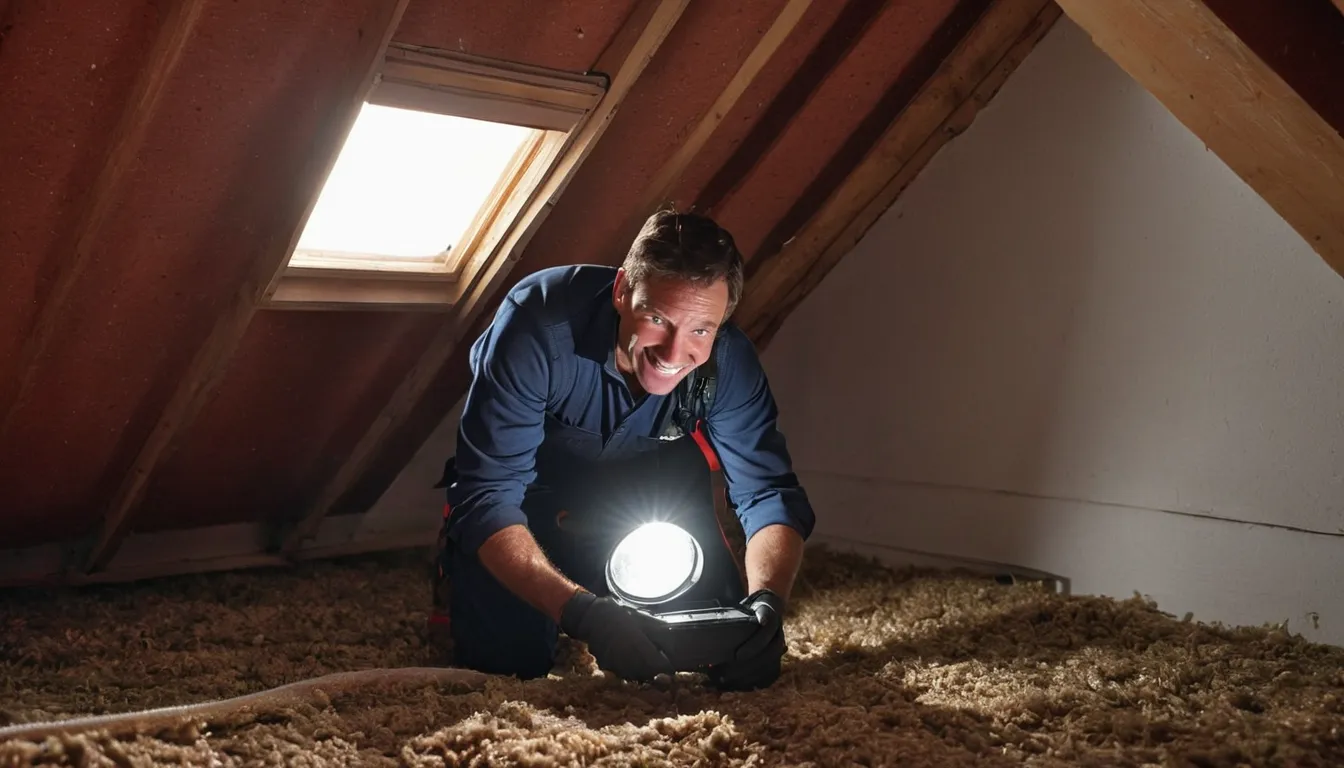
If you share your house with rats, mice, squirrels or raccoons, you are not alone. It happens a lot in older homes, where aging materials and past repairs leave small openings. Joycommonwealth Pest Control is a referral service. It connects you with independent providers in our network who handle rodent and wildlife removal in the Frisco area.
The provider does the work, not Joycommonwealth Pest Control. A good visit starts with looking, not guessing. They check the attic, the walls, the crawl space and the roofline, then explain what they found in plain words. You get a written quote before anything begins. Take your time, ask questions, and ask about the history of your house. Old houses need patient care.
Noises Overhead? Start Here
You hear scratching around dusk. Something thumps inside a wall. Take a breath. This is common, and it can be handled calmly.
The first step is simple. Request an estimate, and a provider in our network can look at what is going on. Joycommonwealth Pest Control only makes the introduction. The provider does the work.
Why Waiting Costs You More
Rodents breed quickly. One small nest can become a crowd in a few weeks. Chewed wires are a worry in any house, and more so in an older one where the wiring may already be tired.
Larger animals bring their own problem. A mother raccoon or squirrel may have young inside. Removing her at the wrong moment can leave babies stranded. A provider knows how to plan around that.
How the Seasons Set the Pace
Hot, humid summers and heavy downpours push animals toward dry, shaded spots. Attics here get very hot, so some animals settle lower, in walls or under the floor. Storm season can send them looking for shelter. Mild winters mean activity rarely stops. Every season matters.
Signs Something Has Moved In
You may not see the animal at all. Look and listen for clues:
- Scratching, scurrying or thumping, often at dusk or before sunrise
- Droppings along walls, in the attic or near the pantry
- Greasy rub marks on beams, pipes or baseboards
- Chewed wires, insulation, wood or food packaging
- A sharp or musty smell near a vent or closet
- Flattened, stained or torn insulation
One sign is worth a look. Several signs together mean it is time to ask for help.
Why Older Homes Have Hidden Doors
Old houses, patient care. Wood shrinks, caulk cracks and soffits soften with age. Past repairs sometimes leave gaps nobody remembers. An addition may not meet the original roofline neatly.
On slab-on-grade ranch homes, small gaps often hide where pipes and wires enter. On older pier-and-beam houses, the crawl space can be an open invitation. Brick and vinyl siding both have seams and edges that animals test.
Ask About the History
Tell the provider what you know. Mention old roof work, remodels, chimney changes and any earlier animal trouble. It helps them look in the right places.
Animals Providers Commonly Handle
- Rats and mice
- Squirrels in the attic or soffits
- Raccoons and opossums
- Bats, which have special timing rules in many areas
- Armadillos digging near the foundation
- Birds nesting in vents and eaves
Each animal needs a different method. That is why a proper look comes first.
What a Visit Usually Looks Like
Inspection
The provider checks the attic, walls, crawl space, roofline and yard. They look for droppings, rub marks and the path the animal uses.
Finding Every Way In
They list the entry points, including small ones. A mouse can slip through a gap about the width of a pencil.
Removal
Traps, one-way doors or other methods are chosen to suit the animal and the season. Ask which one is planned and why.
Cleanup and Repair
Once the animals are gone, the provider can seal openings. Some also clean droppings and replace damaged insulation. Ask what is included in the quote.
Humane Handling and Local Rules
Rules differ by state and town. Some animals are protected. Bats, for example, may not be removed during nesting season. Relocating wildlife is restricted in many places.
A careful provider follows these rules and tells you what applies to your case. If you are unsure, ask them to explain it in plain language. Request a callback to check provider availability and ask what to expect.
Choosing a Removal Provider
Take a little time. These questions help:
- Do they inspect the whole house before quoting?
- Is the quote written, with the work itemized?
- Do they seal entry points, or only set traps?
- Do they have experience with older construction?
- Do they follow local wildlife rules?
- Is there a follow-up visit to confirm the animals are gone?
A provider who explains things patiently is a good sign.
Keeping Animals Out
A few small habits help year round.
Before Storm Season
Check the roof edges, vents and flashing. Trim branches that touch the roof. Fix loose siding and soft fascia boards.
Through the Hot Months
Keep pet food and trash lids sealed. Watch for damp spots where leaks attract pests. Check attic vents for torn screens.
When It Cools Off
Animals look for warm shelter. Look at the crawl space door, the garage seal and any gaps around pipes. Small repairs now prevent bigger trouble later.
Ready When You Are
You do not need to figure this out alone. Share what you have heard and seen, and a provider can take it from there.
What's Included
Full Home Inspection
A provider checks the attic, walls, crawl space and roofline to find where animals are living and entering.
Humane Removal
Methods are chosen to suit the animal, the season and local wildlife rules.
Sealing Entry Points
Gaps, vents and worn spots are closed so animals cannot simply return.
Cleanup and Repair
Many providers can clean droppings and replace damaged insulation when it is part of the quote.
Typical Costs for Rodent and Wildlife Work
Prices vary with the animal, the size of the home and how hard the entry points are to reach. These are typical U.S. ranges. Always get a written quote before work starts.
| Service | Typical range | Notes |
|---|---|---|
| Inspection | $100 – $300 | Some providers apply it to the job |
| Mouse or rat trapping | $300 – $800 | Often includes follow-up visits |
| Sealing entry points | $500 – $2,500 | Depends on roof height and materials |
| Squirrel or raccoon removal | $300 – $1,000 | Young animals can add steps |
| Bat exclusion | $400 – $4,000 | Timing rules may apply |
| Attic cleanup and insulation | $1,000 – $7,000 | Depends on the area affected |
How It Works
Tell Us What Happened
Describe the noises, smells or damage you have noticed and the part of the house involved.
Get Matched With a Provider
Joycommonwealth Pest Control connects you with an independent provider in the network who serves the Frisco area.
Review the Written Quote
The provider inspects, explains the findings and gives you a written quote to consider.
The Provider Does the Work
Removal, sealing and any cleanup are done by the provider, and you can ask about follow-up.
Why Call Joycommonwealth Pest Control
Providers Who Know Older Homes
Network providers are used to aging materials, past repairs and the odd gaps they leave behind.
Plain Answers
You get clear explanations of what was found, what is planned and what it may cost.
Season Aware
Timing is planned around local weather, storm season and animal breeding cycles.
No Pressure
Request an estimate with no obligation, and take your time deciding what feels right.
Other Services
Need rodent and wildlife removal in Frisco?
Tell us what you are seeing at home and request an estimate. A local provider in our network will follow up with next steps.
Rodent and Wildlife Removal FAQ
How do I know if I have mice, rats or something larger in my attic?
Sound and timing help. Light, quick scurrying often means mice or rats. Heavy thumps in the morning may be squirrels, and evening noise may be raccoons. A provider can confirm by checking droppings and rub marks.
Can I just set traps myself?
You can, but traps alone rarely solve it if the entry points stay open. Wildlife rules may also limit what you can do. A provider can find the way in, choose a method, and seal the gaps for you.
Does homeowners insurance cover damage from rodents or wildlife?
It depends on the policy. Some policies may cover sudden damage, but many exclude gradual damage from pests. Check your policy, and ask the provider to help document what they find for a claim.
Tell us what happened
Tell us what you are seeing at home and request an estimate. A local provider in our network will follow up with next steps.
No obligation